
Get the Facts.
Durham Housing Facts.
Housing affects nearly every part of life in Durham, from traffic and commute times to whether young professionals, families, longtime residents, teachers, healthcare workers, and older adults can continue to afford to live in the community they love. As Durham continues to grow rapidly, the city is facing increasing pressure on its housing supply, especially for workforce housing and smaller, more attainable homes for seniors looking to downsize. Rising demand, limited inventory, higher construction costs, and changing development patterns have all contributed to today’s housing challenges. This website is designed to help you understand how housing works in Durham, how growth and development decisions are made, and how you can have a voice in shaping our community's future.
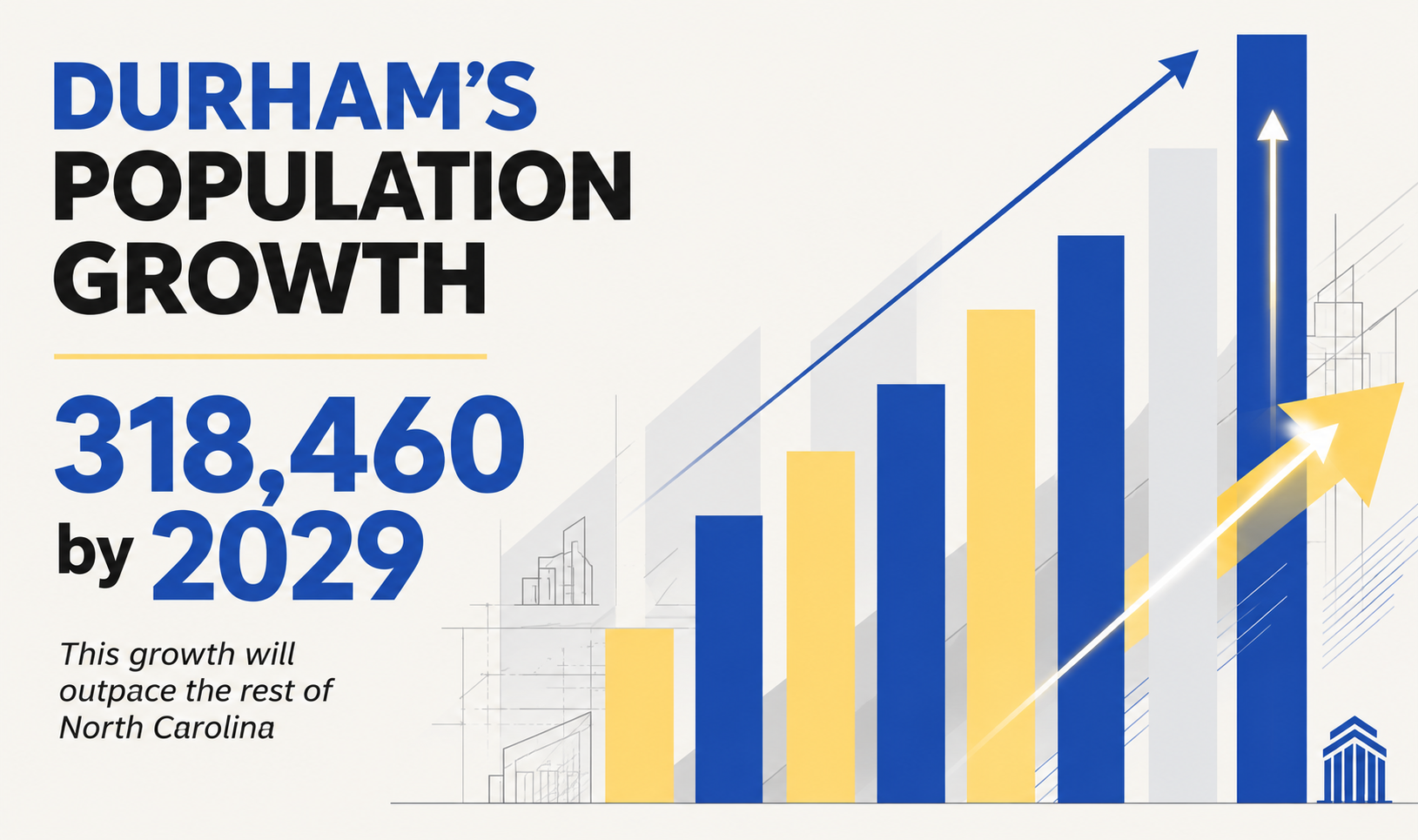
Rapid Population Growth
Durham’s population has grown by 7.2% since 2020, a rate that vastly outpaces North Carolina’s statewide growth of 5.33%. This surge is expected to continue, with the population projected to reach approximately 318,460 by 2029. This rapid expansion is the primary driver of the city's intense and growing demand for new residential development.
LEARN MOREA Massive Housing Deficit
Durham faces a total projected housing gap of 32,992 units needed by 2029 to achieve a healthy market. This represents the fourth-largest housing deficit of any county in North Carolina. The shortage is nearly evenly split between a need for approximately 17,700 rental units and 15,300 for-sale homes.
LEARN MORE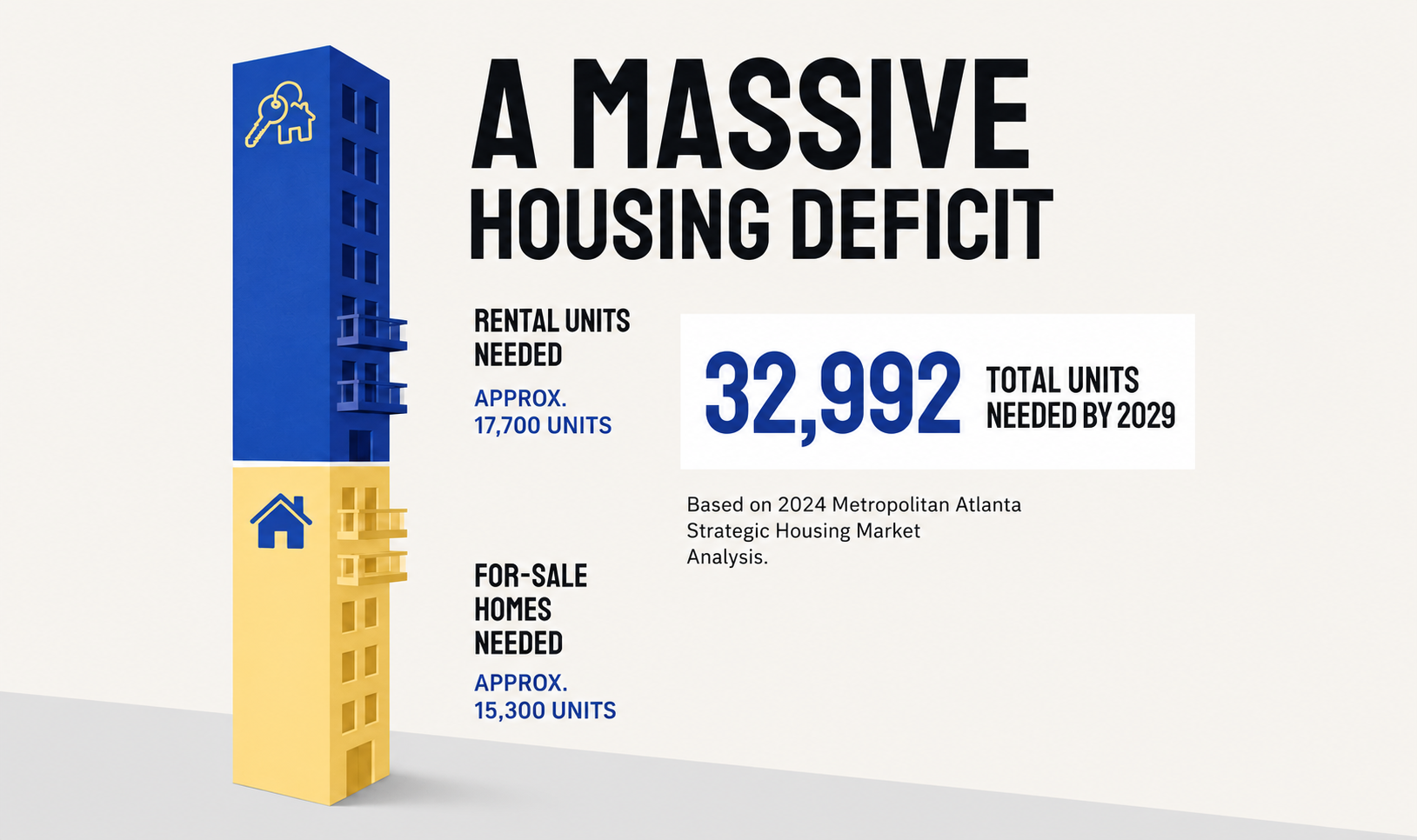
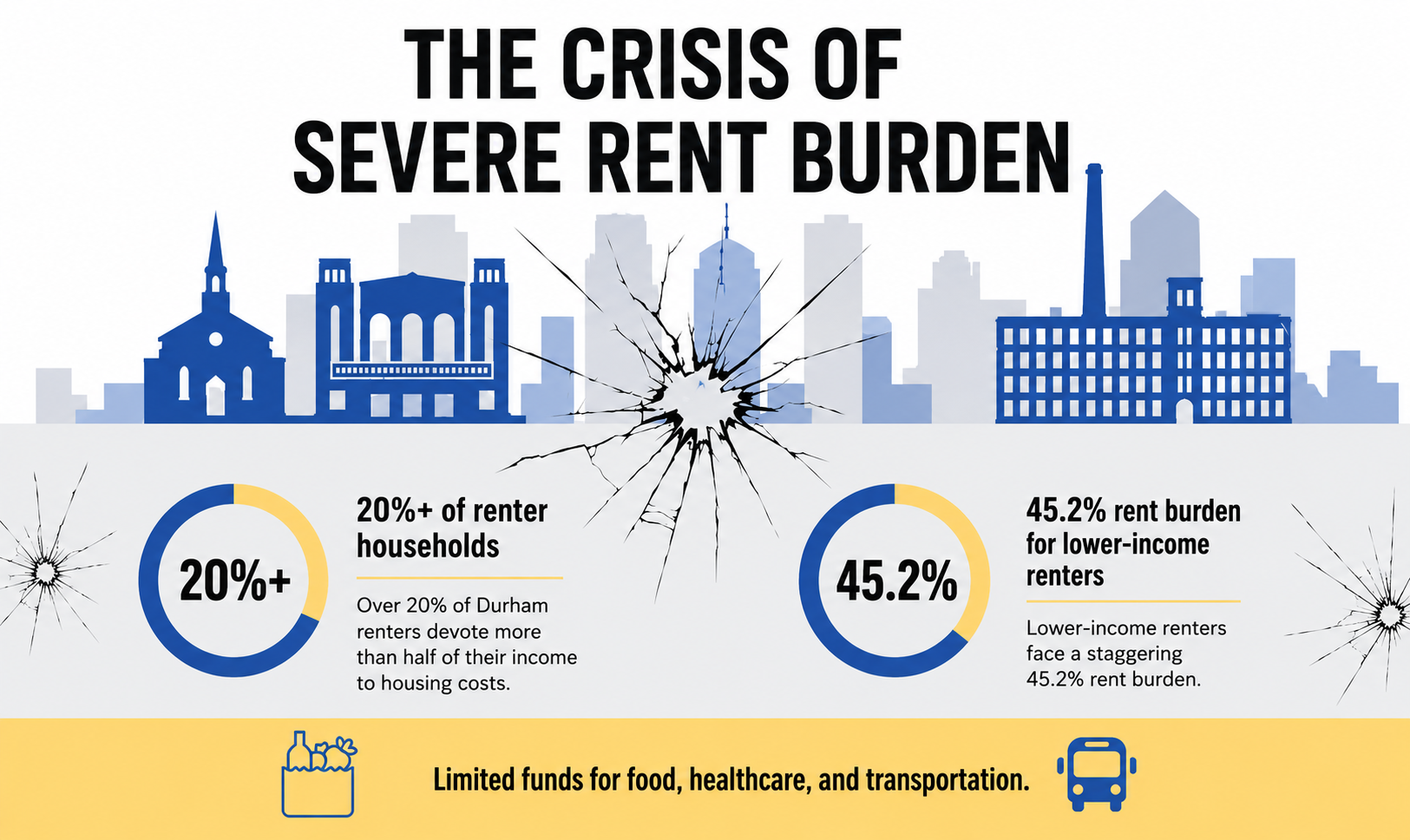
The Crisis of Severe Rent Burden
More than 20% of Durham’s renter households are "severely cost-burdened," meaning they spend over half of their total monthly income on housing costs. This financial strain is particularly acute for lower-income segments, who face a 45.2% rent burden. Such high costs leave many residents with limited funds for other essentials like food, healthcare, and transportation.
LEARN MOREThe Disappearing Entry-Level Home
The "starter home" is becoming a rarity in Durham, as only 1.3% of available for-sale homes are priced under $200,000. Conversely, the majority of the market is dominated by high-end housing, with over 58% of available homes listed at $400,000 or more. This price mismatch creates a significant barrier for first-time homebuyers and middle-income families.
LEARN MORE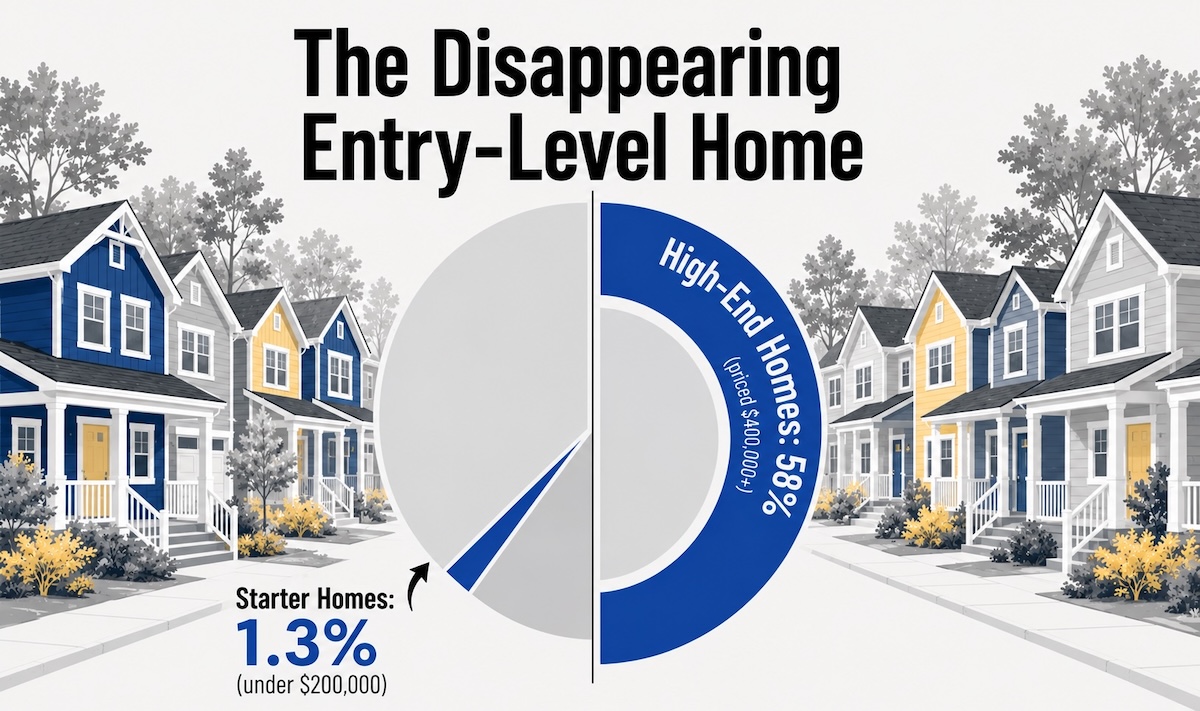
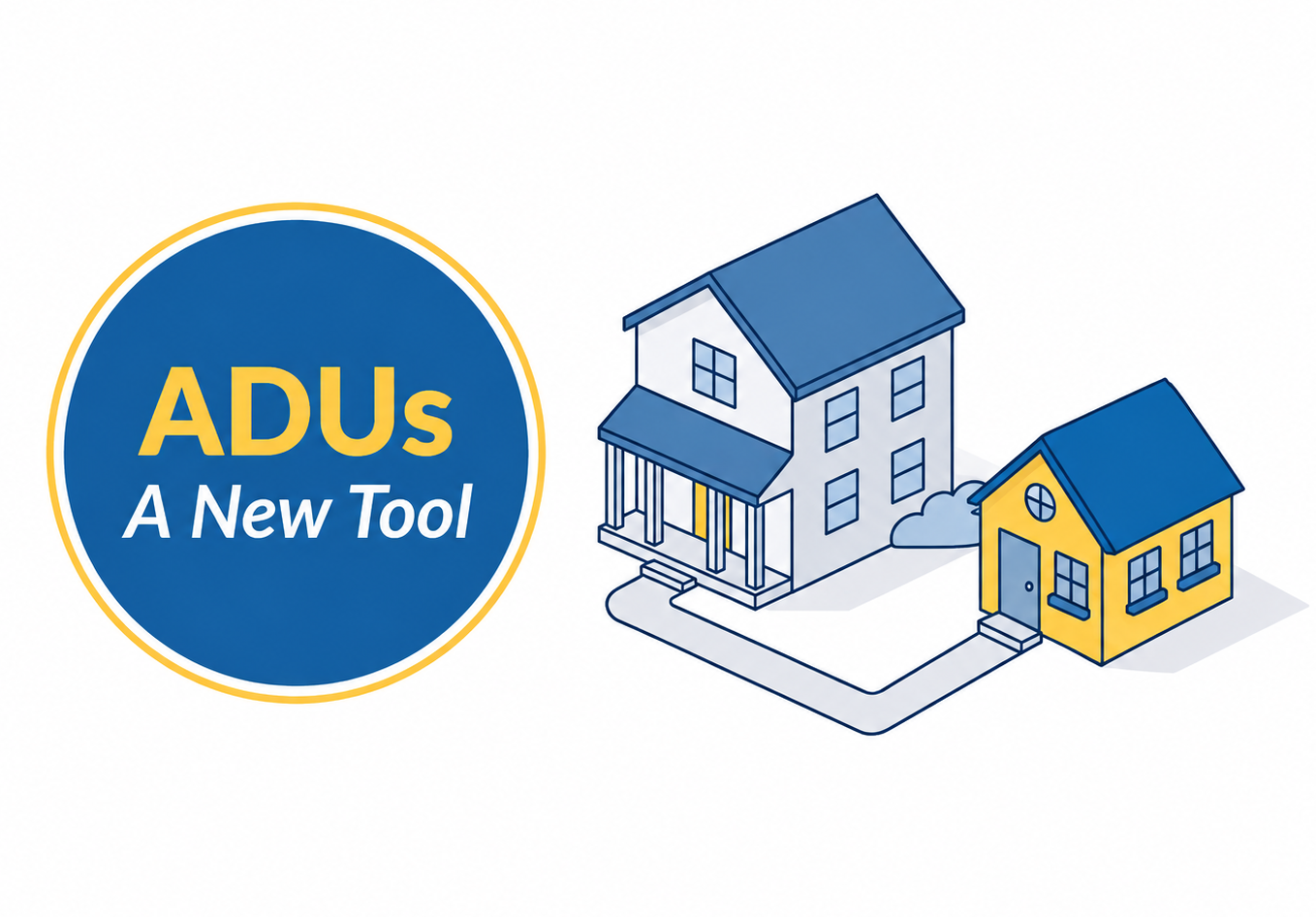
Expanding Options: The Affordable ADU Tool
While no single initiative can solve all of Durham’s housing challenges, the City is providing practical tools to help. The Affordable ADU Pilot Program is designed to increase the housing supply while supporting current residents. By utilizing $1.75 million from the "Forever Home, Durham" fund, this program empowers eligible homeowners to build Accessory Dwelling Units (ADUs)—also known as backyard cottages or granny flats—on their own lots. These units help increase density in established neighborhoods without displacing long-time community members.
LEARN MOREGet Involved!
Durham is changing rapidly. Explore this website to learn more about the issues shaping Durham's housing future, and then stay up to date on the latest housing tools, zoning updates, and development facts that impact our neighborhoods. Sign up for our mailing list to get clear information delivered straight to your inbox.

DurhamHousingFacts.com is operated by the Durham Regional Association of REALTORS®.
4236 University Drive, Durham, North Carolina 27707
© 2026 Durham Regional Association of REALTORS®. All Rights Reserved. By providing links to other sites, DurhamHousingFacts.com and Durham Regional Association of REALTORS® does not necessarily guarantee, approve or endorse the information (or related products or services) to or from which this site is linked. If you decide to access any of the third-party sites linked to this site, you do so entirely at your own risk. The information on this website is for education and informational purposes only. If you feel a copyright has inadvertently been violated on this website, please contact info@durhamhousingfacts.com